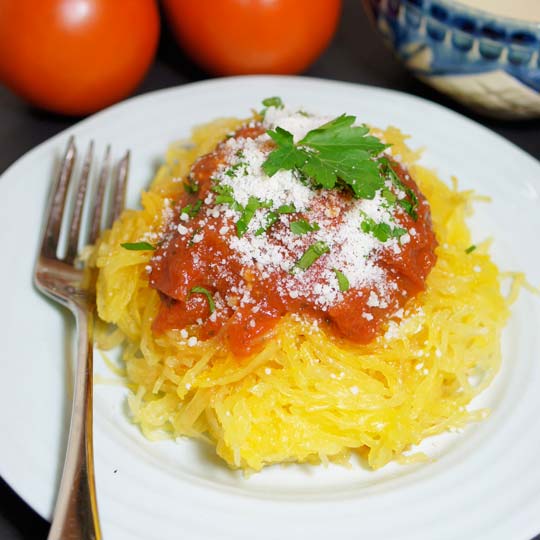
There's a unique magic that happens in the kitchen when a recipe isn't just a list of ingredients, but a whispered story passed down through generations. These culinary heirlooms, unlike fragile photographs or antique furniture, possess a living, breathing quality. They adapt, evolve, and take on new forms as they journey from one cook to the next, reflecting changing tastes, lifestyles, and even global adventures. Among these cherished traditions, a particular favorite for many is the iconic spaghetti sauce – a canvas for personalization, especially when it comes to balancing the captivating dance of flavors found in a truly exceptional sweet spicy spaghetti sauce.
The Enduring Legacy of Family Recipes: More Than Just Food
Physical heirlooms may succumb to the ravages of time, become misplaced, or even be sources of family squabbles. But a recipe? A recipe carries an emotional weight that transcends its material form. It's a taste memory, a comfort, and a tangible link to our past. We've all encountered those treasured dishes simply known as "Mom's Lasagna" or "Grandma's Cookies," instantly evoking warmth and nostalgia. These aren't just meals; they are touchstones of family history, embodying countless shared moments around the dinner table.
For one globe-trotting friend, Alisa, her family's beloved sweet spicy spaghetti sauce has become a constant companion throughout years of international travel. From Latin America to Europe and even Asia, the fundamental ingredients – tomatoes, onions, and basic spices – remained universally accessible, allowing her to recreate a taste of home no matter where she landed. This adaptability is at the heart of what makes such a recipe not just an heirloom, but a truly resilient one.
The Sweet and Spicy Secret: What Makes This Sauce Irresistible?
The allure of a well-crafted sweet spicy spaghetti sauce lies in its complex flavor profile. It's a gastronomic tightrope walk, where the mellow sweetness from ripe tomatoes or added sugars beautifully counters the vibrant kick of chili and other spices. This isn't about overpowering heat; it's about a sophisticated balance that tantalizes the palate, offering warmth without searing, and comfort with a delightful edge.
The sweetness can be derived from various sources: the natural sugars within good quality tomatoes, the mellow notes of sautéed onions, or strategic additions like coconut palm sugar or brown sugar. Each sweetener brings its own character – coconut palm sugar, for instance, offers a caramel-like depth, while brown sugar provides a molasses-rich sweetness. The 'spicy' element, on the other hand, comes alive with ingredients like chili powder, a dash of garlic salt, or even a splash of your favorite hot sauce. Some chefs introduce a subtle smoky undertone with paprika or a deeper, umami richness with a hint of Worcestershire sauce, elevating the sauce from simple to sublime. It's this interplay of elements that makes each spoonful a journey, keeping you coming back for more.
Modernizing a Classic: Evolution in the Kitchen
While the essence of a family recipe remains sacred, its execution often undergoes a necessary evolution to fit modern lifestyles. The demands of busy schedules and evolving dietary preferences mean that even the most cherished dishes need a contemporary update. This is particularly true for a simmering sauce that traditionally demands hours over the stovetop.
Take, for instance, the drastic reduction in cooking time. A grandmother's authentic sauce might have simmered for over two and a half hours, with the wisdom that "the longer a sauce cooks, the more time the flavors have to blend, and the richer the result will be." While this principle holds true for ultimate depth, today's home cooks often seek efficiency without sacrificing flavor. Modern adaptations achieve richness faster through techniques like intense caramelization of onions and tomatoes, using high-quality tomato paste for concentrated flavor, or even leveraging the power of pressure cookers. For those seeking speedy solutions without compromise, exploring a Quick Sweet & Spicy Spaghetti Sauce: Your New Weeknight Go-To can be a game-changer.
Dietary shifts also play a significant role in recipe evolution. Many traditional spaghetti sauces feature beef, but a growing number of people prefer vegetarian options. Swapping out ground meat for hearty vegetables like mushrooms, lentils, or plant-based crumbles, or simply relying on the rich flavors of the tomatoes and spices, creates a delicious and satisfying Easy Vegetarian Sweet Spicy Spaghetti Sauce That Freezes Well. This flexibility allows the heirloom to continue its journey, catering to diverse palates and ethical considerations without losing its soul. The beauty of a sauce like this is its inherent adaptability – whether it's adjusting sweetness, dialing up the heat, or catering to specific dietary needs, it proves that necessity truly is the mother of culinary invention.
Crafting Your Own Sweet Spicy Masterpiece: Tips and Tricks
Embarking on the journey to create your perfect sweet spicy spaghetti sauce is an invitation to experiment and personalize. Here are some actionable tips to guide your culinary creation:
- The Foundation of Flavor: Don't rush the onions. Sautéing a large, finely chopped onion in a healthy amount of coconut oil or olive oil over low heat for at least 10-15 minutes, until deeply softened and translucent, is crucial. Adding a touch of coconut palm sugar or brown sugar during this stage helps caramelize them further, building a rich, sweet base. If they start to stick, a splash of water, not just more oil, can help them along without becoming greasy.
- Tomato Power: While canned crushed tomatoes offer convenience, don't underestimate the vibrancy of fresh. If using fresh, choose ripe beefsteak or Roma tomatoes, chop them finely, and let them cook down with the onions until they start to break apart and release their juices. For a smoother sauce, blending fresh tomatoes beforehand can create a luxurious texture. Combining fresh with a good quality canned tomato sauce or paste can offer the best of both worlds.
- Balancing Sweetness: Start with the suggested amount of your chosen sugar (e.g., coconut palm sugar, brown sugar) and taste as you go. Remember, the sauce will naturally sweeten as it simmers and the tomato flavors concentrate. You can always add more, but you can't take it away.
- Controlling the Heat: Chili powder is a great starting point for spice. For a more nuanced heat, consider adding a pinch of red pepper flakes, a dash of hot sauce (like sriracha or tabasco), or even finely minced fresh jalapeño or serrano peppers for a brighter, spicier kick. Adjust to your family's preference – a little goes a long way.
- Depth and Aroma: Don't forget the aromatics. Garlic salt is easy, but freshly minced garlic (added after the onions are soft) will provide a more potent flavor. A pinch of dried oregano, basil, or a bay leaf can add herbaceous notes that elevate the sauce.
- Achieving Consistency: After adding your tomato sauce and water, cover and simmer. The longer it simmers, the more the flavors meld and the thicker it becomes. If it gets too thick, add a little more water or vegetable broth. If it's too thin, remove the lid and let it reduce.
- Batch Cook and Freeze: Like many great sauces, a sweet spicy spaghetti sauce often tastes even better the next day. It also freezes beautifully, making it an ideal candidate for meal prep. Portion it into freezer-safe containers, and you'll have a gourmet-tasting, homemade dinner ready in minutes on a busy weeknight.
The journey of transforming a family heirloom is a testament to the dynamic nature of food and tradition. Whether you adhere strictly to the original or bravely venture into new adaptations, the essence remains: to create something delicious, comforting, and uniquely yours. A sweet spicy spaghetti sauce isn't just a dish; it's a living legacy, waiting for your personal touch to write its next chapter.
